
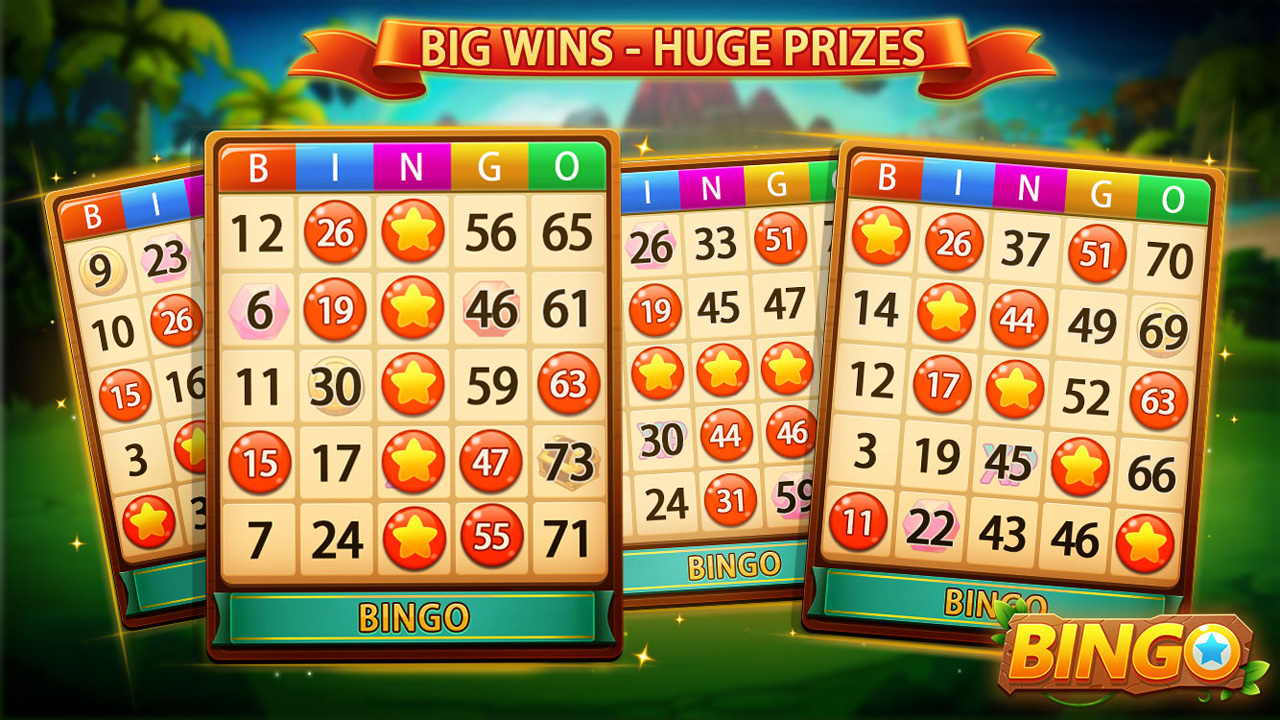
Bingo is one of the most recognizable and widely played games of chance in the world. Known for its simple rules and social appeal, the game has crossed generations, cultures, and platforms—from traditional halls to modern online spaces. Whether played casually or competitively, Bingo continues to thrive because of its accessibility and excitement.
What Is Bingo?
Bingo is a number-based game where players mark numbers on a card as they are randomly drawn by a caller or system. The goal is to complete a specific pattern—such as a straight line or full card—before other players.
Key characteristics of Bingo include:
-
Random number selection
-
Pre-printed or digital cards
-
Pattern-based winning conditions
-
Minimal skill requirement
A Brief History of Bingo
The origins of Bingo trace back to 16th-century Italy, where a lottery-style game called Lo Giuoco del Lotto d’Italia gained popularity. Over time, variations appeared across Europe and later in North America.
By the early 20th century, the modern version of Bingo had emerged, becoming especially popular at community events and fundraising gatherings. Its growth was fueled by its simplicity and ability to bring people together.
How Bingo Is Played
Although formats may vary, the basic structure of Bingo remains consistent.
Basic Rules
-
Each player receives one or more Bingo cards.
-
Numbers are drawn at random.
-
Players mark matching numbers on their cards.
-
The first player to complete the required pattern calls out “Bingo!”
-
The card is checked, and if valid, the player wins.
Common Winning Patterns
-
Single line (horizontal, vertical, or diagonal)
-
Four corners
-
Specific shapes (letters, crosses, or patterns)
-
Full house (entire card filled)
Popular Types of Bingo
Bingo comes in several formats, each offering a slightly different experience.
75-Ball Bingo
-
Most common in North America
-
Uses a 5×5 card
-
Features varied pattern wins
90-Ball Bingo
-
Popular in the UK and parts of Europe
-
Uses a 3-row card with 9 columns
-
Includes multiple prize stages
80-Ball Bingo
-
Uses a 4×4 grid
-
Often played online
-
Faster-paced gameplay
Speed Bingo
-
Shorter rounds
-
Fewer numbers
-
Designed for quick sessions
Why Bingo Remains So Popular
Bingo’s enduring appeal comes from a combination of factors:
-
Easy to learn and beginner-friendly
-
Social interaction and community atmosphere
-
Low cost of entry
-
Available both offline and online
-
Exciting, suspense-driven gameplay
The game balances luck and anticipation, making every round engaging regardless of experience level.
Bingo Tips for Beginners
While Bingo is largely based on chance, a few practical tips can enhance the experience:
-
Play fewer cards at first to avoid missing numbers
-
Choose games with fewer players for better odds
-
Stay focused and organized
-
Understand the winning patterns before the game begins
Responsible Bingo Play
Like any game involving money, Bingo should be played responsibly. Setting limits, taking breaks, and viewing the game as entertainment rather than income helps ensure a positive experience.
Frequently Asked Questions (FAQs)
Is Bingo purely a game of luck?
Yes, Bingo is primarily based on chance, as numbers are drawn randomly. Strategy mainly involves card management rather than influencing outcomes.
Can Bingo be played alone?
Yes, many online platforms allow solo play against automated systems or other players remotely.
What is the difference between Bingo and Lotto?
Bingo uses cards and real-time number calling, while Lotto typically involves ticket purchases and scheduled draws.
Are there age restrictions for playing Bingo?
Age requirements vary by region, especially when money is involved. Always check local regulations.
How long does a typical Bingo game last?
A single round can last anywhere from a few minutes to half an hour, depending on the format.
Is online Bingo fair?
Reputable platforms use certified random number generators to ensure fairness and transparency.
Can Bingo help improve focus?
While not skill-based, Bingo can help with attention, pattern recognition, and number tracking during gameplay.
